(ᚢ)(ᚢ)(ᚢ)
Sometimes, I question myself in the middle of a conversation: “Am I taking over this conversation?” I wonder if the other person genuinely has nothing more to say. There have been many times when I have felt like I am talking too much. Sometimes, while talking to people, I ask myself: “Am I oversharing? Am I not giving enough time to the other person?”
As a fitness coach, at the beginning of my career, I struggled with communicating with my clients during the workouts. After all, it’s an important skill for coaches to communicate with the audience in the clearest, most effective way possible.
After many years of practice, I sometimes feel like I talk too much. I worry that I am not listening enough. It’s also an essential skill for coaches to listen to their clients.
For fitness coaches, we must make sure clients perform exercises correctly. At the same time, we need to make sure we don’t over-coach. The general philosophy behind keeping instruction brief is to ensure clients don’t get overwhelmed and have a positive, successful experience. Trying to fix a complex movement issue can be demotivating and make the client feel inadequate.
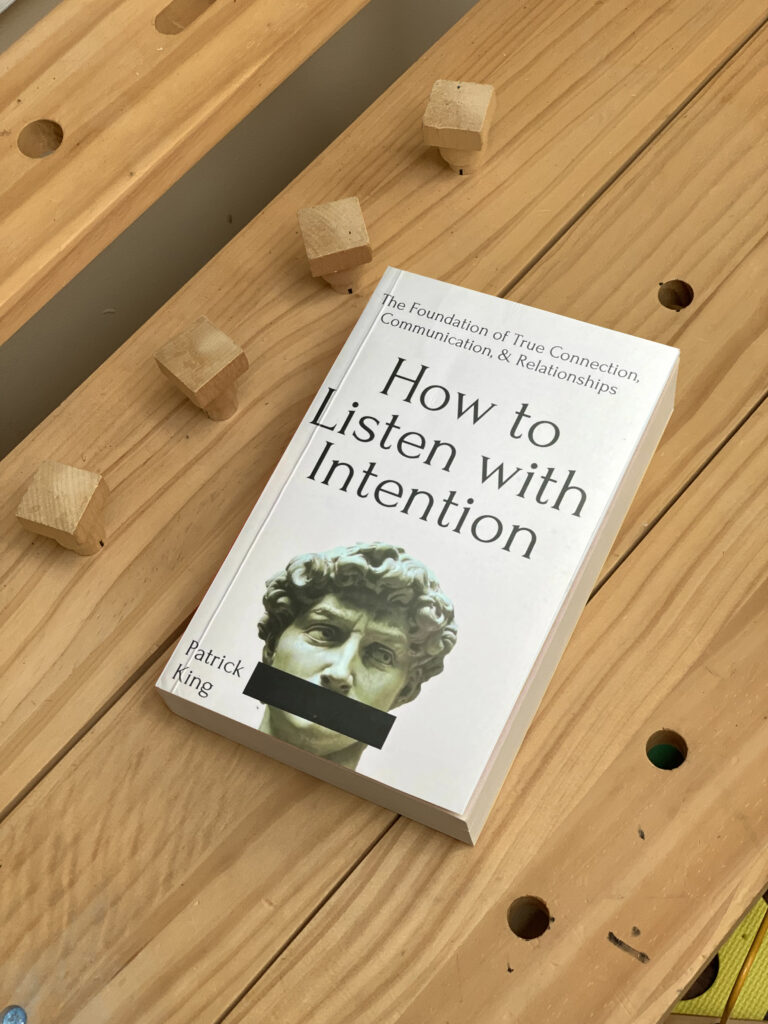
I picked up this book to help me learn more about listening skills. And test myself to see if I am really talking too much? The author borrows heavily from Psychologist and journalist Daniel Goleman, author of the international bestseller Emotional Intelligence.
One nice thing about the book is that it can be used by many people in many different settings. You can use listening skills at work. They are helpful at home with your partner and family. They help you during conversations with friends and total strangers.
“Good conversation is like a tennis match where the attention moves equally between the two parties, like a tennis ball. If someone is never able to truly put their attention on anything other than themselves, it’s like playing tennis with a person who never properly serves the ball, or never returns it once it goes over the net. A conversation suddenly turns into a monologue, soliloquy, or simply a lecture to an unwilling student.”
“Don’t mind-read, don’t assume, and don’t project your own story onto others—this will not feel like empathy, it will feel like an intrusion.”
“In listening, you want to travel alongside people as they reach their own conclusions, rather than assuming that you are wise and all-knowing and can show them something.”